Synopsis
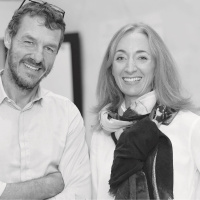
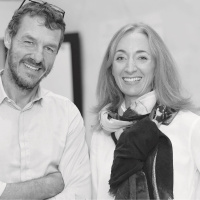
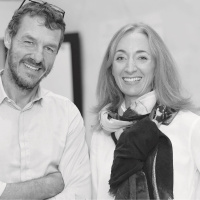
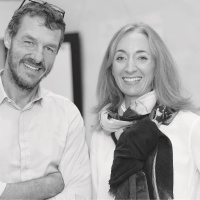
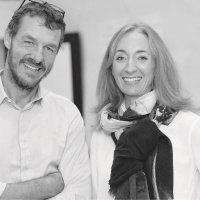
Leadership consultants Pia & Bart talk about topics close to their heart, encouraging dialogue on the thing that truly matters to entrepreneurs and leaders.
Episodes
-
![82. Energy Management]()
82. Energy Management
28/09/2026 Duration: 32minYears ago we used a simple picture in our leadership programmes: the human battery. It has a capacity, it charges, it runs down, and sometimes it leaks. The leak is the part we find most interesting. It's the unresolved conflict, the decision you keep reopening, the email you've read fifteen times and still not answered. None of it looks like work, yet it drains you all the same. We dust the model off, along with the Harvard Business Review line we used to hand out, that energy rather than time is what performance really runs on. We talk about how the physical, mental, emotional and spiritual batteries pull on each other. A hard gym session after a day of vibe coding leaves the body tired and the head clear. The end of summer comes as a relief to two introverts who have been out and about for weeks. We compare our own leaks, from a nagging injury to 3 a.m. wake-ups to grief after losing a close friend, and own up to our "false friends": the glass of wine, the chocolate, the Netflix evening that feels like res
-
![Solitude vs Loneliness]()
Solitude vs Loneliness
27/08/2026 Duration: 30minWe open by untangling three words that are often conflated but point to very different experiences: alone, lonely, and in solitude. Being alone is neutral — a simple fact of circumstance. Loneliness is an unwanted emotional state, a signal that connection is missing. Solitude is something else entirely — an intentional inner state that can happen just as easily in a crowded airport as in an empty room. We share personal examples of loneliness that stay with us precisely because they were so unexpected: feeling like a lost child in a Manila hotel room shortly after losing a mother, and feeling disconnected in a room full of friends — slipping away to the bathroom not to escape people, but to find yourself again. We explore loneliness as a signal with a function — much like hunger points you toward food, loneliness points you toward belonging and authentic connection. We discuss why some of the most connected people on earth — CEOs, celebrities, leaders — can feel profoundly lonely, drawing on the concept of lo
-
![80. Intuition]()
80. Intuition
31/07/2026 Duration: 29minWe open with a reference to The Celestine Prophecy — James Redfield's novel built entirely around a man guided through Peru by intuition and meaningful coincidence — as the perfect entry point into a conversation about what intuition actually is, where it comes from, and how to trust it. We explore the science first: the gut and heart each contain their own neural networks, in constant dialogue with the brain, sending signals that shape our emotions and decisions in ways we rarely consciously register. Intuition, we suggest, may be the subconscious mind surfacing the intelligence of thousands of past experiences we can no longer consciously recall. We discuss how intuition is accessed — through slowing down, presence, and creating space — and how it gets blocked when we are over-stimulated, over-scheduled, and over-reliant on analysis. We explore synchronicity as one of the richest languages of intuition: what it means to stay open to meaningful coincidence, how to sit with the harder question of what a synch
-
![79. Elements]()
79. Elements
26/06/2026 Duration: 29minWe open with a story told by David Foster Wallace: two young fish swimming along, greeted by an older fish who remarks on the quality of the water. One young fish turns to the other and asks — what is water? It's the perfect entry point into a conversation about what we are so immersed in that we can no longer see. We explore the four classical elements — earth, water, fire, and air — not as abstract philosophy, but as mirrors for understanding ourselves and how we move through life. We share our personal attractions and resistances to each element, and what those preferences might reveal: fire as energy, courage, and directed action; water as emotional depth, flow, and the capacity to let go; earth as rootedness, stability, and authenticity; air as clarity, creativity, and the space between stimulus and response. We discuss what happens when any element falls out of balance — too much fire and you're heading for burnout; too little water and emotions go underground; too much earth and life starts to feel stu
-
![78. Forgiveness]()
78. Forgiveness
28/05/2026 Duration: 32minWe open by clearing up one of the most common misunderstandings about forgiveness: that to forgive means to condone. It doesn't. Using the image of a thorn lodged in the body, we explore forgiveness as the act of removing that thorn—not for the person who put it there, but for yourself. We introduce four promises of forgiveness: I will not dwell on this incident; I will not use it against you; I will not speak of it to others; and I will not let it stand between us. We examine each promise honestly, including how rarely all four are truly kept, and what it means when they are. We explore forgiveness as a layered, often slow process—closer to emergence than decision—drawing on a deeply personal example of emotional closure reached nearly a decade after a divorce, including a consciously planned journey through psilocybin therapy, a family trip to Singapore, and a four-hour conversation that finally cleared what years of distance could not. We discuss the particular difficulty of self-forgiveness, why the subje
-
![77. Conscientiousness]()
77. Conscientiousness
23/04/2026 Duration: 27minWe complete our journey through the Big Five personality traits with the fifth and final one: conscientiousness. We explore what it actually means—beyond the obvious associations with being organised and disciplined—examining how it shows up as reliability, self-discipline, integrity, and the drive to follow through on commitments to both self and others. Through personal examples ranging from calendar management and routines to deliberate life planning, we illustrate what high conscientiousness looks and feels like in practice, and why it can be both a superpower and a trap. We discuss the flipside—how high conscientiousness can tip into rigidity, perfectionism, and discomfort with chaos—and what people on both ends of the spectrum can learn from each other. We explore the connection between conscientiousness and flow states, the concept of "planned spontaneity" as a conscious workaround for the highly conscientious, and how this trait plays out in leadership contexts. We also reflect on how our relationship
-
![76. Heart]()
76. Heart
26/03/2026 Duration: 25minWe open with a quote that sets the tone: the longest journey is from the head to the heart. We explore what it truly means to live from the heart—not as a sentimental idea, but as a fuller way of accessing ourselves and connecting with others. We discuss heart intelligence alongside gut and brain intelligence, and introduce the concept of heart coherence: the state in which nervous system, mind, and heart are aligned, playing the same frequency. Drawing on the HeartMath Institute's research on heart rate variability, we explore how coherence can be cultivated individually—and how it extends outward into relationships, teams, and even sixty thousand people singing together in a football stadium. We examine the open heart versus the closed heart, and how fear, stress, and judgment trigger a contraction that cuts us off from the fullest version of ourselves. We discuss practical ways to stay open—or return to openness—including naming what we are experiencing out loud, imagining an energetic opening in the chest
-
![75. Space]()
75. Space
28/02/2026 Duration: 19minWe open with a quote that sets the tone perfectly: if the mind is not overcrowded, not ceaselessly occupied, there is space—and from that space, everything else comes. We explore space as a multi-layered concept, distinguishing between space in the mind, space in time, and space in the physical environment. We discuss how transit time—the in-between moments connecting one event to the next—holds rich potential for stillness and reflection, and how the pandemic illustrated what happens when that space collapses. We examine the distinction between functional space, where we operate our lives, and sacred space, where we connect with something deeper. Through personal examples—Ubud as a near-inevitable portal to spiritual connection, the sauna ritual as a gateway to creativity, and a newly moved-into flat as an invitation to consciously design a sacred corner—we explore how physical environments shape our inner states. We touch on neurodesign, the consecrating effect of returning to the same space for the same ri
-
![74. Grief]()
74. Grief
30/01/2026 Duration: 33minWe explore grief through the immediate and raw experience of losing a parent, beginning with the story of receiving news of a mother's death whilst scuba diving in a remote part of the Philippines. We discuss the intensity of those first nine days—the loneliness of travelling home alone, the profound sadness of missing someone physically, and the complex emotions of being both the griever and the anchor for an extended family's collective grief. Through personal reflection, we examine how grief and love are inseparable partners—there is no grief without love—and how the shared experience of loss can strengthen family bonds. We discuss the power of conscious grieving: using morning pages to process emotions, the cathartic experience of writing a eulogy, and the comfort found in spiritual beliefs about continued presence beyond physical death. We broaden the conversation beyond death to examine other forms of grief: lost dreams, children growing up, relationships ending, and futures that will never materialise.
-
![73. Deliberate Life]()
73. Deliberate Life
24/12/2025 Duration: 28minWe share reflections from Bali, where we've spent two weeks recording our long-awaited Deliberate Life programme—a project eight years in the making. We discuss the unique energy of Ubud, Bali's spiritual centre, where ceremonies happen daily and spiritual practices are woven into everyday life. Through personal examples from our time here—cacao ceremonies, sound meditations, temple purification rituals, and tarot card readings—we explore how immersing ourselves in this environment has enriched both our work and our experience of deliberate living. We reflect on the power of setting intentions through ritual, describing how three guiding principles emerged from our opening ceremony: magic, trust, and challenge. We examine how the Deliberate Life framework applies to our own lives during this intense period of creation. The week brought both profound joy and unexpected grief, with news of a best friend's terminal cancer arriving mid-project—a stark reminder of memento mori and the importance of seizing the day
-
![72. Neuroticism]()
72. Neuroticism
27/11/2025 Duration: 27minWe explore neuroticism, the fourth of the Big Five personality traits we've discussed, following our previous episodes on openness, extraversion, and agreeableness. Neuroticism represents sensitivity to negative emotions—those higher on the scale experience more worry, frustration, and stress, whilst those lower feel fewer negative emotions overall. We acknowledge the loaded nature of the word "neurotic" in everyday language and challenge the assumption that low neuroticism is inherently better. Through personal examples, we discuss how being very low on neuroticism brings advantages—less worry, more equanimity—but also risks: missing important signals, underestimating threats, and needing to work harder at empathy for others' negative experiences. We examine how neuroticism affects relationships and leadership, sharing how partners with different levels can create friction when one feels compelled to "do the worrying for both." In leadership contexts, we explore how those high on neuroticism can use their em
-
![71. Money]()
71. Money
30/10/2025 Duration: 32minWe explore the often-taboo subject of money, beginning with an examination of why financial discussions feel uncomfortable—the fear of being judged or defined by wealth rather than character. We introduce the concept of "money blueprint," the belief system about money formed during childhood that shapes our financial behaviours throughout life. Through contrasting personal stories, we share how our blueprints were formed: one rooted in a working-class background and the belief that wealth is unethical, leading to financial neglect; the other grounded in careful saving and detailed record-keeping from childhood. We discuss the transformative power of recognising and challenging limiting beliefs about money, demonstrating how changing one's blueprint can fundamentally alter financial outcomes—from eliminating debt to optimising revenue and implementing structured money management systems. We delve into practical aspects of financial consciousness, exploring the concept of money as energy that should flow rather
-
![70. Boundaries]()
70. Boundaries
26/09/2025 Duration: 34minWe explore the essential skill of boundary setting through personal and professional examples, examining how clear boundaries protect our time, energy, and values whilst maintaining relationships. We discuss practical scenarios from declining alcohol at social gatherings to saying no to dessert at dinner parties, illustrating how boundaries become easier to establish with people we know well versus strangers or colleagues. Through workplace examples, we examine the challenge of setting boundaries around availability, deep work time, and the delicate balance between being a supportive leader and overstepping professional responsibilities. We explore how cultural expectations and the fear of appearing impolite can make boundary setting particularly difficult, especially when declining invitations without external excuses. We delve into the art of saying no elegantly and respectfully, sharing strategies such as buying time before responding, offering counter-proposals, and being honest about personal preferences
-
![69. Agreeableness]()
69. Agreeableness
28/08/2025 Duration: 25minWe explore agreeableness, the third of the Big Five personality traits we've discussed, following our previous episodes on openness and extraversion/introversion. Agreeableness represents the tendency to prioritise others' needs over one's own—highly agreeable people are sympathetic, cooperative, and accommodating, whilst those lower in agreeableness are more competitive, self-interested, and direct. We share personal examples of how high agreeableness manifests: difficulty knowing what you want for dinner, crying when others cry, and the challenge of maintaining boundaries with less agreeable individuals. We discuss how highly agreeable people can be taken advantage of and the importance of developing what we call "toughness muscles" to push back when necessary. We examine agreeableness in leadership contexts, particularly the challenge of holding people accountable and managing healthy conflict when you naturally want to be liked and avoid discomfort. Through client examples, we explore how highly agreeable
-
![68. Creativity]()
68. Creativity
24/07/2025 Duration: 27minWe explore creativity through the lens of artistic courage and personal expression, beginning with reflections on Gustav Klimt's decision to break from commissioned religious paintings to create his own revolutionary art. We discuss how true artists often work without recognition or financial reward, driven by an inner compulsion to express something new and meaningful. Through personal examples—from discovering a passion for architecture at Barcelona's Sagrada Família to experimenting with cooking and gardening—we examine how creativity manifests in everyday activities. We explore the distinction between cognitive creativity (synthesising ideas through conscious effort) and what we call "flow creativity," where the best ideas emerge when we step out of our own way and allow something deeper to surface. We delve into the practical aspects of nurturing creativity, drawing on Julia Cameron's "The Artist's Way" and techniques like morning pages—stream-of-consciousness writing that builds creative muscle by bypas
-
![67. Gratitude]()
67. Gratitude
26/06/2025 Duration: 27minWe reflect on how gratitude shifts energy—both individually and collectively—and how it can be a powerful tool for leadership. When we enter a challenging space, like a tense team meeting, and lead with genuine appreciation instead of pressure, we witness a tangible shift. Shoulders relax, attention sharpens, and solutions begin to emerge. Gratitude doesn’t erase the problem; it transforms the emotional environment in which the problem exists. We discuss the idea of being “above the line”—a state of openness, creativity, and high emotional frequency—as opposed to being “below the line,” where stress and fear dominate. Through practices like gratitude journaling, we train ourselves to raise our frequency, not only over time but also in the moment. We share our personal experiences with gratitude as a daily discipline—writing not just from the head, but from the heart. By feeling gratitude fully, we activate emotional coherence, measurable in heart rate variability, and supported by tools like those from the He
-
![66. Vulnerability]()
66. Vulnerability
30/05/2025 Duration: 26minWe explore vulnerability through personal experiences, beginning with the quote “Dance like no one is watching…” and how acts like dancing or singing often stir discomfort and self-consciousness. For many of us, these expressions bring up old memories of shame or judgment, often rooted in childhood. Exposing our inner selves feels risky, as if we might be rejected or ridiculed. We share stories—freezing during a speech, dancing sober for the first time in years—that reveal how vulnerability surfaces when we step outside our comfort zones. These moments remind us that shame lingers because, biologically, we associate exclusion with danger. Yet when we allow ourselves to show up authentically despite the fear, we connect more deeply—with ourselves and others. In professional settings, we see that vulnerability isn’t about oversharing or emotional display—it’s about building authentic human connection. When we as leaders admit we don’t know, own our mistakes, or simply let down our guard, we foster trust and psy
-
![65. Identity]()
65. Identity
23/04/2025 Duration: 25minIn this episode, we explore the complexity and fluidity of identity, beginning with a playful challenge: how would we describe ourselves in the time it takes to ride an elevator? We unpack how our self-descriptions shift depending on context—age of the listener, setting, or even language. We share our discomfort with reducing identity to a concise pitch, noting how what we say tends to be externally focused (job, nationality, hobbies) rather than delving into personal values or deeper characteristics. We discuss how identity is often a story we tell ourselves and others, influenced by language, culture, and experience. The idea that different languages unlock different aspects of our identity was especially thought-provoking, revealing how language shapes not just communication but self-perception. We then move into how material elements—like clothing or gadgets—signal aspects of identity, both to ourselves and to others. Examples like yoga attire, running shoes, or the Oura ring illustrate how external symb
-
![63. Death]()
63. Death
27/02/2025 Duration: 29minIn this episode, we confront one of life’s most profound and universal truths: death. Despite its inevitability, death remains a taboo topic in many cultures, often shrouded in fear and avoidance. We explore the concept of a “good death” versus a “bad death,” discussing how saying goodbye, letting go, and even planning one’s end can create a more peaceful passing for both the dying and their loved ones. From personal anecdotes about witnessing death to cultural perspectives like Hindu cremation ceremonies in Varanasi, we examine how exposure to and understanding of death impacts our relationship with life. We also delve into practical preparations for death, from creating a will and organizing personal affairs to embracing the “Say It Now” philosophy—expressing gratitude and love to others while they’re still here. Inspired by books like Die with Zero and The Top Five Regrets of the Dying, we reflect on the importance of living fully and intentionally. Whether it’s experiencing life’s milestones at the right
-
![62. Planning]()
62. Planning
01/02/2025 Duration: 28minIn this episode, we dive into planning versus spontaneity, using the lens of personality types, particularly the Myers-Briggs Type Indicator (MBTI). We explore the dynamic between “judging” (J) and “perceiving” (P) traits, examining how these preferences play out in our daily lives, relationships, and work. We reflect on the benefits and challenges of structured planning, like creating routines and long-term strategies, versus the freedom and creativity of staying open to possibilities. Along the way, we share how these tendencies shape our decision-making, resource management, and overall quality of life. Through personal stories and insights, we discuss the importance of self-awareness in balancing these approaches. Whether it’s planning for major life goals, fostering personal growth, or leaving room for spontaneity, we explore how to make our time and energy align with what truly matters. We invite you to join us in reflecting on your own relationship with planning, discovering how to find a rhythm that